Concrete Walkways vs. Pavers: Which Option Fits Your Property Best
Local contractors can help you choose and install the best concrete walkway or pavers to enhance your property's style and function.
Deciding between concrete walkways and pavers is a common consideration for property owners looking to enhance the functionality and appearance of their outdoor spaces. Whether updating a front path, backyard patio, or side yard, understanding the differences can help determine which option aligns best with the property's style, durability needs, and maintenance preferences. Property owners in the area often explore this topic to ensure their outdoor improvements are both attractive and long-lasting, making it a practical subject to consider before starting any installation project.
Local contractors specializing in walkway and paver installations are equipped to help evaluate the specific needs of each property. They can provide insights into how each material performs over time, the variety of design options available, and what might work best given the property's layout and usage. Keep reading to explore the key factors that distinguish concrete walkways from pavers, and discover how experienced service providers can assist in creating an outdoor space that complements the property’s style and meets practical requirements.
- Concrete walkway installation services are ideal for properties seeking durable, low-maintenance paths that can withstand heavy foot traffic, with local contractors focusing on creating smooth, long-lasting surfaces. Paver installation services are suitable for those wanting customizable, decorative walkways that add visual appeal, with local service providers emphasizing intricate patterns and versatile designs. When considering concrete walkways vs. pavers: which option fits your property best, local pros can assess your space to recommend the most practical and aesthetic solution. For properties requiring a straightforward, cost-effective solution, concrete walkways are often the preferred choice, with local contractors ensuring proper preparation and pouring. Conversely, for homeowners interested in unique, patterned surfaces, paver installation offers a flexible and attractive alternative, with local experts skilled in precise placement and finishing.
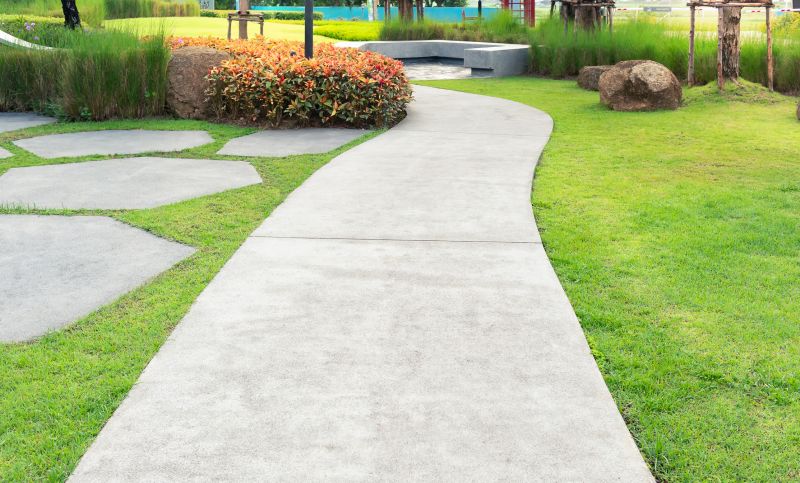
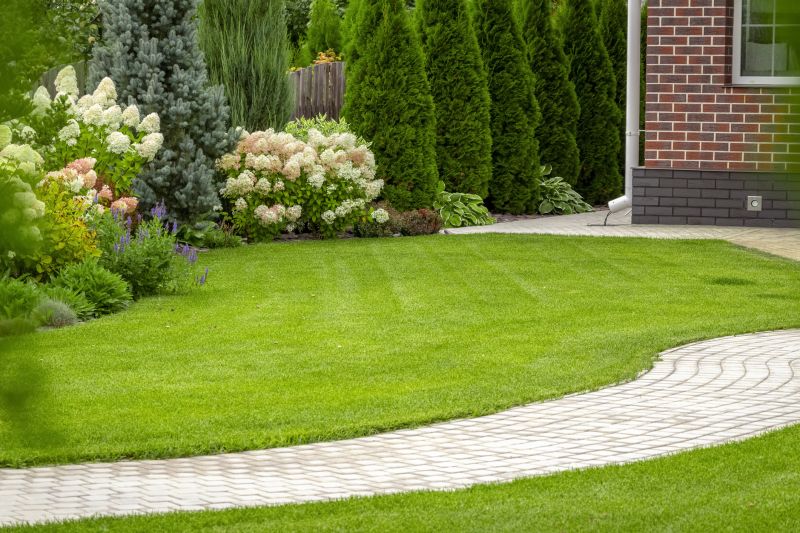
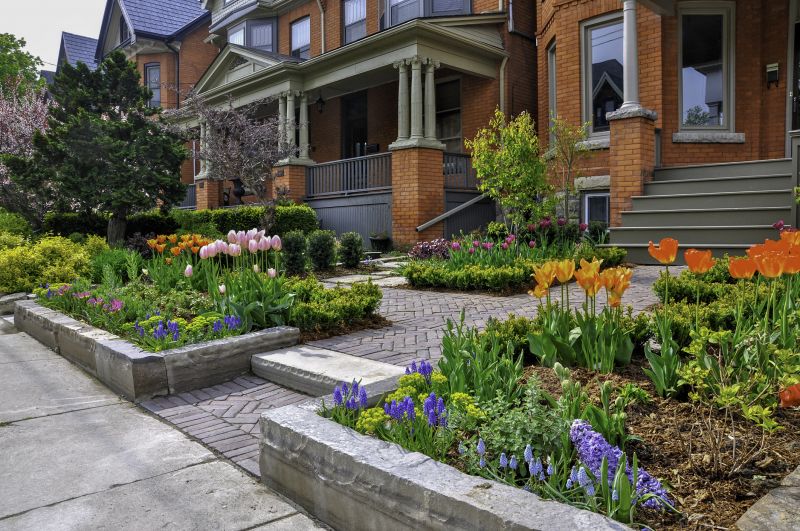
When homeowners begin exploring options for enhancing their outdoor spaces, they often encounter the choice between concrete walkways and pavers. This decision typically relates to projects aimed at improving curb appeal, creating functional pathways, or establishing durable surfaces for foot traffic. People searching for this topic are usually considering a new walkway installation or replacement, seeking to understand which material best suits their property's style, usage needs, and long-term maintenance expectations. The focus is often on practical concerns such as durability, appearance, and how well the material withstands weather conditions, making it a common starting point for homeowners planning to upgrade their walkways.
Concrete walkways are known for their strength, affordability, and low maintenance requirements. They are often chosen for their straightforward installation process and uniform appearance, which can complement a variety of property styles. This option tends to work well on properties with large, open spaces or where a simple, clean look is desired. Homeowners with properties that experience heavy foot traffic or those looking for a long-lasting, minimal-upkeep solution often lean toward concrete. Local contractors who specialize in concrete installation can help evaluate the property's specific conditions, ensuring the chosen design and thickness meet the demands of the environment and usage.
Pavers, on the other hand, offer a versatile and decorative alternative that can add character and visual interest to a property. They come in a wide range of shapes, colors, and patterns, making them suitable for homeowners who want a more customized or textured appearance. Pavers are also appreciated for their ease of repair; individual units can be replaced if damaged, which can be advantageous for properties with uneven terrain or areas prone to shifting. This material is often selected for residential properties aiming for aesthetic appeal or for those seeking a surface that can adapt to complex layouts. Local paving specialists can assist with designing and installing paver patterns that enhance the property's overall look.
The type of property plays a significant role in determining the most suitable option. Larger residential lots with expansive front or backyard walkways might benefit from the durability and simplicity of concrete, especially if the primary concern is functionality. Conversely, properties with a focus on landscape design or those that want a more decorative pathway often find pavers to be a fitting choice. Commercial properties or homes with intricate landscaping features may also lean toward pavers to achieve a more distinctive appearance. When considering either option, it’s important to work with local contractors who understand the specific demands of different property types and can recommend the best materials and installation techniques to meet those needs effectively.
Patio and outdoor living space projects - local contractors can help design and install durable surfaces that complement existing landscaping, similar to concrete walkways vs. pavers considerations.
Driveway installation services - these projects require expertise in surface preparation and material selection, aligning with skills used in walkway and paver installations.
Pool deck paving - installing safe, slip-resistant surfaces around pools involves planning and materials comparable to those used in walkway and paver projects.
Garden path construction - creating functional and aesthetic paths involves similar planning, material choices, and installation techniques as walkway and paver work.
Stamped concrete services - decorative concrete projects require surface finishing skills that are also relevant in choosing between concrete walkways and pavers.
Retaining wall installation - these structural projects involve site planning and material handling skills applicable to walkway and paving projects on properties.
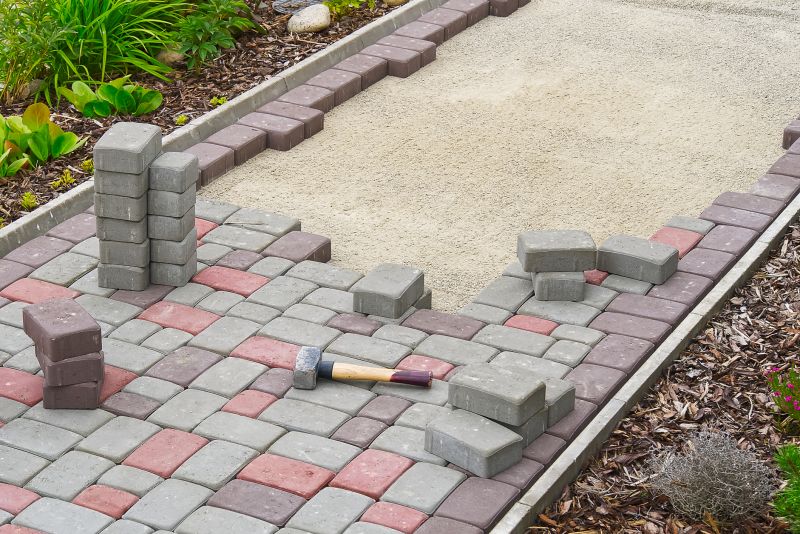
When evaluating contractors for concrete walkway or paver installation, it is important to consider their experience with similar projects. Homeowners should inquire about the types of walkways or paved surfaces they have previously completed, as well as the complexity and scale of those projects. A contractor with a proven track record in installing both concrete and paver surfaces can offer insights into what options tend to perform best in specific environments and how to achieve the desired aesthetic and durability. Reputable service providers will be able to share examples of past work or references that demonstrate their expertise in handling the nuances of each material, helping homeowners make a more informed decision.
Clear, written expectations are essential when comparing local contractors for walkway or paver work. Homeowners should seek detailed proposals that outline the scope of work, materials to be used, and the specific steps involved in the installation process. This clarity helps prevent misunderstandings and ensures that the chosen contractor understands the homeowner’s preferences and requirements. Contractors who provide comprehensive, transparent documentation are often better positioned to deliver results that align with expectations, whether that involves the structural integrity of a concrete walkway or the aesthetic appeal of pavers.
Effective communication and reputable references are key indicators of a reliable service provider. Homeowners should ask for references from previous clients who had similar projects completed, as this can provide insight into the contractor’s professionalism, responsiveness, and overall quality of work. Good communication from the outset-such as prompt responses to inquiries and willingness to discuss options-can also signal a contractor’s commitment to customer satisfaction. When comparing local pros, prioritizing those with positive references and clear communication practices can help ensure the chosen professional will be attentive to the homeowner’s needs and capable of guiding them through the decision between concrete walkways and pavers.
Property owners often search for concrete walkways vs. pavers: which option fits your property best when they are planning practical projects around their homes and businesses. Local pros provide Concrete Walkway or Pavers Installation services for everyday jobs and straightforward project options.
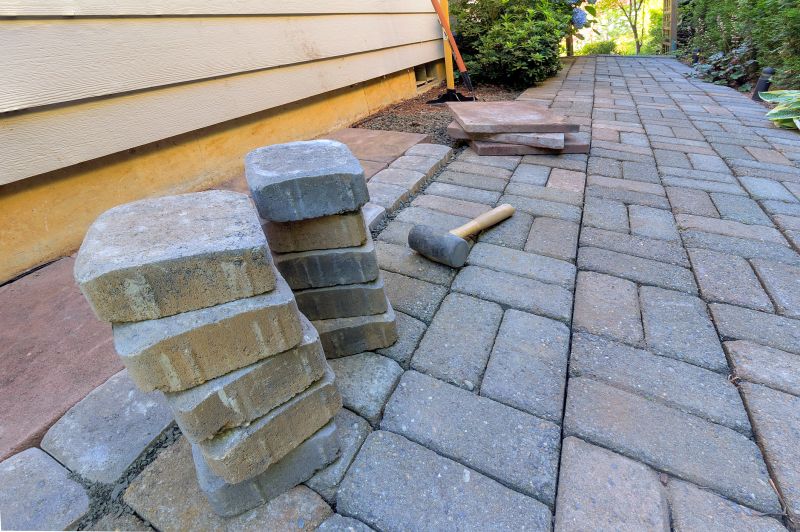
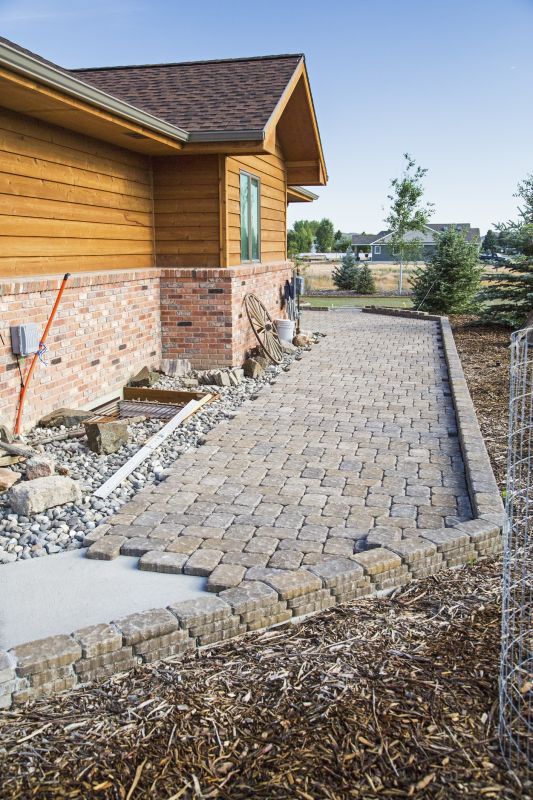
When considering walkway options for a property, many homeowners in the area explore the differences between concrete walkways and pavers to determine which best suits their needs. Concrete walkways are often chosen for their straightforward installation process and durability, making them a practical choice for high-traffic areas or those seeking a low-maintenance surface. On the other hand, pavers offer a more decorative appearance with a variety of patterns and colors, appealing to property owners looking to add visual interest and customization to their outdoor spaces. Local contractors can provide guidance on which material aligns with the property's style, usage, and long-term maintenance preferences.
Property owners might look into concrete walkways vs. pavers: which option fits their property best when planning for longevity, aesthetics, or ease of repair. Those seeking a smooth, uniform surface may lean toward concrete, which can be poured in a single slab. Conversely, pavers are often favored for their ability to be easily replaced if damaged and their versatility in design. Local service providers are equipped to help evaluate the specific conditions of a property, such as soil stability and climate factors, to recommend the most suitable walkway material that balances appearance, durability, and upkeep.
What are the main differences between concrete walkways and pavers? Concrete walkways are typically poured as a single, solid surface, offering durability and a smooth finish. Pavers consist of individual units that can be arranged in various patterns, providing flexibility in design and easier repairs. Local contractors can help assess which option suits the property's style and usage needs best.
Which option is more suitable for high-traffic areas? Concrete walkways are generally more resistant to heavy foot traffic and can handle more wear over time. Pavers also perform well in high-traffic zones but may require occasional re-leveling or maintenance of individual units. Local service providers can advise on the most durable choice based on traffic levels.
Are pavers or concrete walkways better for uneven or sloped surfaces? Pavers are often preferred for uneven or sloped surfaces because they can be installed with flexibility, accommodating variations in terrain. Concrete walkways require proper grading and may need additional preparation. Local contractors can evaluate the site and recommend the best installation approach.
How do maintenance needs compare between concrete walkways and pavers? Concrete walkways typically require minimal maintenance, mainly periodic cleaning and sealing. Pavers may need occasional re-leveling or replacement of individual units but are generally easy to repair without removing large sections. Local pros can provide guidance on ongoing upkeep for each option.
Can local contractors customize concrete walkways or pavers to match property styles? Yes, local service providers can customize both concrete walkways and pavers with various finishes, colors, and patterns to complement property aesthetics. Pavers offer more design versatility, while concrete can be stamped or colored for a tailored look. Contact local pros to explore customization options suitable for specific property styles.
Durability considerations - Property owners can evaluate whether a concrete walkway or pavers better withstand foot traffic and weather conditions, with local contractors providing guidance on the most durable options for their area.
Design flexibility - Those planning aesthetic features can explore how pavers offer customizable patterns and colors, while concrete provides a sleek, uniform look, with local service providers helping choose the best style.
Installation complexity - Homeowners can consider the ease of installation for each option, as pavers often require more precise placement, and local pros can handle the project efficiently regardless of choice.
Maintenance needs - Property owners can assess ongoing upkeep, with pavers typically easier to repair and replace, while concrete may require sealing, and local contractors can advise on maintenance routines.
If you are thinking about concrete walkways vs. pavers: which option fits your property best for a property, this guide is meant to help you understand this topic, the typical project types, and how different options might fit your plans.
When you are ready, you can use the quote form on this page to share a few details about your project. From there, local pros can review the basics and follow up with options that match what you have in mind.